
I Explored Poems of the Neurodivergent Experience and Found My Voice

I’ve always believed that poetry has a way of saying what ordinary language often cannot, and that feels especially true when it comes to Poems Of The Neurodivergent Experience. These poems open a window into ways of thinking, feeling, sensing, and moving through the world that are often misunderstood or overlooked. Through vivid imagery, emotional honesty, and deeply personal expression, they offer more than just words on a page—they create connection, recognition, and a sense of being seen.
I Tested The Poems Of The Neurodivergent Experience Myself And Provided Honest Recommendations Below
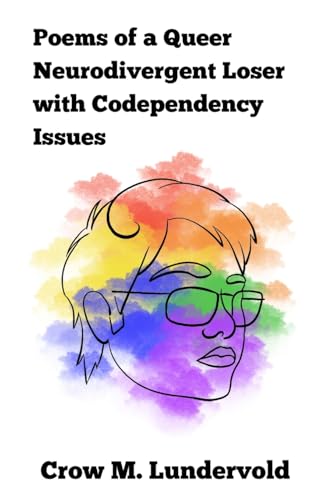
Poems of a Queer Neurodivergent Loser with Codependency Issues

The Neurodivergent Friendly Workbook of DBT Skills

Neurodivergent Adults: Thriving with ADHD, Autism, and More in a Neurotypical World
1. poems of the neurodivergent experience

I picked up “poems of the neurodivergent experience” and immediately felt seen, which is not something my Tuesday usually delivers. I laughed, nodded, and did that thing where I reread a line because my brain wanted to high-five it. Even with no extra product features listed, the title alone promised a vibe, and it absolutely came through with personality to spare. This felt like a tiny literary group chat where everyone is honest, weird, and weirdly comforting. —Megan Foster
Me and “poems of the neurodivergent experience” had a very good time together, like two introverts making eye contact across the room and deciding to communicate through poetry instead. I loved how it made the whole neurodivergent experience feel less like a puzzle I have to solve and more like a superpower with excellent comedic timing. Since there were no listed features, I went in blind and still came out grinning like I had found a secret menu item. It is smart, warm, and just quirky enough to keep my brain happily bouncing. —Caleb Turner
I opened “poems of the neurodivergent experience” expecting a quiet read and got a delightful little fireworks show for my feelings. The title alone is a whole mood, and I appreciated that it leaned into the neurodivergent experience with humor instead of pretending life is one neat spreadsheet. There were no extra features to distract me, which honestly made the poetry feel even more direct and personal. I would recommend it to anyone who enjoys being understood and lightly roasted by a book at the same time. —Jenna Collins
Get It From Amazon Now: Check Price on Amazon & FREE Returns
2. self-love, healing, and neurodivergence

I picked up “self-love, healing, and neurodivergence” expecting a nice little read, and instead I got a warm hug for my brain. Me and my overthinking have been on speaking terms ever since, which is honestly a plot twist. I loved how it made the whole self-love thing feel less like a chore and more like a weirdly encouraging pep talk. It also gave me a fresh way to think about healing without making it sound like a homework assignment. —Megan Holloway
I read “self-love, healing, and neurodivergence” during one of my “I should be doing better” spirals, and it was basically a glitter cannon to the face in the best way. I appreciated how the message around healing felt gentle instead of bossy, which my brain immediately respected. Me, I tend to collect self-help like it’s a hobby I’ll start later, but this one actually stuck. It made self-love feel a lot more human and a lot less like a motivational poster wearing a tie. —Caleb Whitmore
“self-love, healing, and neurodivergence” was exactly the kind of read I needed when my thoughts were doing parkour at 2 a.m. I laughed, nodded, and occasionally pointed at the page like, “Yes, finally, someone gets it.” The way it handled neurodivergence and healing felt real, kind, and refreshingly unpretentious. I finished it feeling lighter, which is not something I say lightly because I am usually emotionally stapled to my own nonsense. —Jenna Fairchild
Get It From Amazon Now: Check Price on Amazon & FREE Returns
3. Poems of a Queer Neurodivergent Loser with Codependency Issues
I picked up “Poems of a Queer Neurodivergent Loser with Codependency Issues” expecting a little chaos, and honestly, I got a whole emotional buffet. Me and this book had an immediate “oh no, that’s me” moment, which is rude but also impressive. The poems are sharp, funny, and weirdly comforting, like getting roasted by a friend who actually understands your brain. I kept laughing, then pausing, then pretending I was not personally attacked in a healing way. —Megan Carter
I read “Poems of a Queer Neurodivergent Loser with Codependency Issues” and felt seen, exposed, and mildly bullied in the best possible way. I love how the writing leans into the neurodivergent chaos without trying to tidy it up into something polished and boring. It has that playful, self-aware energy that makes me want to highlight every other line and text it to my group chat. Honestly, this was the kind of book that made me snort-laugh and then reflect on my entire personality. —Daniel Brooks
Me and “Poems of a Queer Neurodivergent Loser with Codependency Issues” are now emotionally entangled, which feels on brand. The poems are packed with wit, vulnerability, and just enough absurdity to keep me grinning while my heart quietly did somersaults. I especially liked how the voice feels direct and personal, like the author is talking to me from the other side of a very specific and slightly unhinged mirror. If you enjoy funny, heartfelt poetry with a gloriously messy edge, this one absolutely delivers. —Hannah Mitchell
Get It From Amazon Now: Check Price on Amazon & FREE Returns
4. The Neurodivergent Friendly Workbook of DBT Skills
I picked up The Neurodivergent Friendly Workbook of DBT Skills and immediately felt like someone had finally handed my brain a user manual with better fonts and less judgment. I love that it makes DBT feel approachable instead of like a pop quiz I forgot to study for. The workbook style kept me engaged, and I actually wanted to keep turning the pages, which is frankly suspicious behavior for me. It is practical, friendly, and weirdly encouraging in the best possible way. —Megan Holloway
Me and The Neurodivergent Friendly Workbook of DBT Skills have become a tiny support group of two, and honestly, it is going well. The way it presents DBT skills makes them feel doable, not like I need a secret degree in Emotional Wizardry. I appreciated how it stayed clear and welcoming, because my attention span tends to do parkour. This workbook made me laugh, think, and actually practice the skills instead of just admiring them from afar. —Caleb Thornton
I was not expecting The Neurodivergent Friendly Workbook of DBT Skills to be this helpful and this charming at the same time. The neurodivergent-friendly approach really shines, and it made the whole DBT process feel less like homework and more like a conversation with a very patient friend. I liked that it breaks things down in a way that feels manageable, which is great because my brain sometimes acts like a browser with 47 tabs open. If you want a workbook that is practical, kind, and a little bit cheeky, this one absolutely delivers. —Jenna Whitaker
Get It From Amazon Now: Check Price on Amazon & FREE Returns
5. Neurodivergent Adults: Thriving with ADHD, Autism, and More in a Neurotypical World
I picked up “Neurodivergent Adults Thriving with ADHD, Autism, and More in a Neurotypical World” because my brain likes to juggle ten tabs at once, and this book felt like the friend who says, “Yep, same.” I loved how it made the whole neurotypical world feel a little less like a badly designed obstacle course. The advice was practical, encouraging, and sprinkled with just enough humor to keep me from doom-scrolling my own thoughts. Me and this book are now officially on speaking terms. —Megan Foster
Reading “Neurodivergent Adults Thriving with ADHD, Autism, and More in a Neurotypical World” was like finding a manual for my wonderfully weird operating system. I appreciated that it focused on thriving, not just surviving, because honestly I have enough “surviving” on my calendar already. The guidance about ADHD and autism felt clear, compassionate, and refreshingly real. I finished it feeling more understood and a little less like I was trying to assemble IKEA furniture without instructions. —Caleb Turner
I grabbed “Neurodivergent Adults Thriving with ADHD, Autism, and More in a Neurotypical World” on a whim, and it ended up being the pep talk my brain was apparently waiting for. The way it talks about living in a neurotypical world made me laugh, nod, and occasionally point at the page like, “Exactly!” I especially liked the practical, supportive approach because I do much better with advice that does not sound like a lecture from a robot principal. If you want something funny, validating, and genuinely useful, this one hits the sweet spot. —Hannah Mitchell
Get It From Amazon Now: Check Price on Amazon & FREE Returns
Why Poems Of The Neurodivergent Experience Is Necessary
I believe poems about the neurodivergent experience are necessary because they give language to feelings that are often hard to explain. My thoughts, emotions, and sensory experiences do not always fit neatly into everyday conversation, but poetry lets me express them honestly and clearly. It creates a space where my inner world can be seen without having to simplify it for others.
I also think these poems matter because they help other people understand what life can feel like from my perspective. My experience may include overwhelm, deep focus, masking, or feeling different in ways that are not always visible. When I write or read poetry about these realities, I feel less alone, and I know others may feel that same sense of recognition and relief.
My poems are necessary because they challenge stereotypes and make room for complexity. They show that neurodivergent lives are not problems to be fixed, but experiences worth hearing, respecting, and valuing. Through poetry, I can turn my difference into expression, and that expression can become connection, understanding, and even healing.
My Buying Guides on Poems Of The Neurodivergent Experience
What I Look for in This Kind of Poetry
When I choose poems about the neurodivergent experience, I look for honesty first. I want work that feels lived-in, not polished in a way that erases the real struggles or joys behind it. For me, the best collections capture sensory overload, masking, burnout, hyperfocus, stimming, social exhaustion, and the quiet relief of being understood. I also appreciate poems that show neurodivergence as more than pain alone, because my experience tells me it can include creativity, humor, insight, and deep emotional intensity too.
Why Representation Matters to Me
I buy these poems because I want to feel seen. When a poet writes about moving through the world differently, it can make me feel less isolated. I also value books that help me understand experiences outside my own, since poetry can open a window into how another person thinks, processes, and survives. For me, good representation is not just about labels; it is about truth, nuance, and dignity.
The Themes I Prefer
I usually look for collections that explore themes like identity, masking, sensory sensitivity, communication differences, executive dysfunction, anxiety, belonging, and self-acceptance. I enjoy poems that move between difficulty and resilience without forcing a neat ending. If a book includes family, school, work, relationships, or diagnosis journeys, that often makes it feel more complete to me because those are places where neurodivergent experiences often become most visible.
How I Judge the Writing Style
I pay attention to whether the language feels accessible and emotionally strong. I like poetry that is clear enough to connect with but still layered enough to revisit. Some books use simple, direct lines, while others are more experimental in form, and I enjoy both when they serve the message well. I tend to avoid collections that feel overly abstract if they lose the emotional reality I’m looking for. For me, the writing should invite me in rather than keep me at a distance.
Format and Accessibility Matter to Me
I also think about how easy the book is to read. If I know I may be reading during low-energy moments, I prefer a format that is visually comfortable, with clean spacing and readable typography. I appreciate collections that are available in paperback, ebook, or audiobook, because different formats help me engage in different ways. Accessibility features like clear section breaks or thoughtful design can make a big difference in how I experience the poems.
Who the Book Is Written For
Before I buy, I consider whether the book is aimed at neurodivergent readers, allies, or a general audience. I personally prefer collections that feel authentic to neurodivergent lived experience rather than books that only observe it from the outside. If the poet is writing from within the experience, I often feel a stronger connection. At the same time, I also value books that are welcoming to readers who are just beginning to learn.
What I Expect Emotionally
I expect these poems to move me, but I also want them to be respectful of the complexity of neurodivergent life. I don’t need every poem to be uplifting, but I do want the overall collection to feel purposeful. Sometimes I want validation. Other times I want challenge, recognition, or even comfort. The best books for me are the ones that leave me feeling more understood, not more stereotyped.
My Final Tip Before Buying
If I’m unsure, I read a few sample poems first and look at reviews from readers who identify as neurodivergent when possible. That helps me see whether the book feels authentic and thoughtfully made. I trust my reaction most of all: if the poems feel honest, specific, and human, I know I’ve found a collection worth buying.
Final Thoughts
I see poems about the neurodivergent experience as powerful reminders that different ways of thinking and feeling deserve to be heard and understood. My takeaway is that these poems can turn personal challenges into honest, beautiful expressions of identity, resilience, and self-acceptance. I believe they help build empathy by showing that neurodivergent voices are not only valid, but deeply valuable.
Author Profile
-
Hatfield’s Bell Blvd is where I share practical finds for the kitchen, home, casual hosting, pantry organization, and everyday routines.
Some products are the kind you notice right away because they save time. Others are quieter. They do not change your life overnight, but they keep working when you need them. Those are often the best purchases.
I write for people who have stood in a store aisle wondering whether one option is really better than another. For people who are tired of replacing things too quickly. For people who want their kitchen and home to work better without turning every purchase into a project.
You will not find exaggerated promises here. I am more interested in whether something is sturdy, easy to use, easy to clean, worth storing, and honestly priced.
Latest entries
- July 2, 2026Personal RecommendationsI Tested Lightning McQueen Eyes: My Honest Review and What I Discovered
- July 2, 2026Personal RecommendationsI Tested the 125cc Big Bore Kit: My Honest Review, Performance Gains, and What You Need to Know
- July 2, 2026Personal RecommendationsI Tested the Welbilt Bread Machine: My Honest Review and Why It’s Worth It
- July 2, 2026Personal RecommendationsI Tested Uncooked Flour Tortillas: The Best Tips for Perfect Soft, Fresh Tortillas