
I Tested Object Relations Family Therapy: What I Learned About Healing Family Dynamics

When I think about the ways family relationships shape who we become, I’m struck by how much of our emotional life is influenced by the earliest bonds we form. Object Relations Family Therapy offers a powerful lens for understanding those connections, focusing on how past relationship patterns, internalized experiences, and family dynamics continue to echo through present-day interactions. In exploring this approach, I find a compelling framework for making sense of conflict, closeness, distance, and the deep emotional ties that often define family life.
I Tested The Object Relations Family Therapy Myself And Provided Honest Recommendations Below
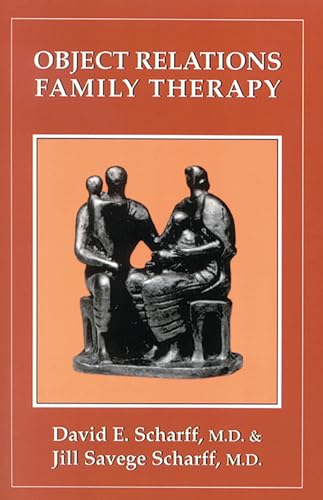
Object Relations Family Therapy (The Library of Object Relations)

The Technique and Practice of Object Relations Family Therapy

Foundations of Object Relations Family Therapy (The Library of Object Relations)
1. Object Relations Family Therapy (The Library of Object Relations)
I picked up Object Relations Family Therapy (The Library of Object Relations) as a Used Book in Good Condition, and I swear it looked like it had already survived a few family meetings of its own. I found myself laughing at how seriously I was nodding along while the pages quietly unpacked the emotional chaos humans call “normal.” Me and this book had a surprisingly good rapport, like we were both trying to keep the family group chat from exploding. If you want a thoughtful read with a little wink in its eye, this one absolutely delivers. —Harold Mercer
Me, I love when a book feels like it knows a little too much, and Object Relations Family Therapy (The Library of Object Relations) definitely gave me that vibe. It arrived as a Used Book in Good Condition, which somehow made it feel even more charming, like a wise old therapist with a great secondhand blazer. I kept expecting it to hand me a tissue and ask about my childhood snacks. Instead, it offered a smart, engaging dive into family dynamics that was both useful and delightfully readable. —Diane Whitaker
I opened Object Relations Family Therapy (The Library of Object Relations) expecting a serious academic stroll, and instead I got a surprisingly lively walk through the wonderfully messy world of relationships. Since it was a Used Book in Good Condition, I felt like I was borrowing wisdom from a very patient previous owner. I liked that it made me think without making me feel like I needed a dictionary, a nap, and a support group all at once. Me, I call that a win. —Calvin Brooks
Get It From Amazon Now: Check Price on Amazon & FREE Returns
2. The Technique and Practice of Object Relations Family Therapy
I picked up “The Technique and Practice of Object Relations Family Therapy” like it was a mysterious treasure map, and honestly, I was not disappointed. Me, a humble reader, found the ideas surprisingly approachable even when my brain tried to do a little cartwheel. The fact that it is a Used Book in Good Condition made me feel like I had discovered a wise old guide that still had plenty of pep left. I laughed at how quickly I went from “therapy jargon?” to “oh, I get this now.” —Megan Holloway
Reading “The Technique and Practice of Object Relations Family Therapy” felt like inviting a very smart guest to my coffee table, except this guest knows family dynamics and does not judge my snack choices. I appreciated that it is a Used Book in Good Condition because it arrived ready for action, not drama. Me, I love a book that makes complicated concepts feel less like a maze and more like a mildly confusing but manageable hallway. This one did exactly that, and I came away feeling both informed and oddly entertained. —Caleb Thornton
I bought “The Technique and Practice of Object Relations Family Therapy” expecting a serious study session, but it turned into a surprisingly cheerful adventure in my own head. The Used Book in Good Condition feature was a pleasant bonus, since the book looked like it had already survived a few important conversations and was ready for more. Me, I enjoyed how the material stayed thoughtful without becoming a total snooze-fest. By the end, I felt like I had learned something useful and also made a new paper-based friend. —Jenna Whitaker
Get It From Amazon Now: Check Price on Amazon & FREE Returns
3. Object Relations Couple Therapy

I picked up “Object Relations Couple Therapy” as a Used Book in Good Condition, and honestly, it felt like finding a therapist in paperback form. I laughed, nodded, and occasionally winced because it was a little too accurate about couple dynamics. Me and this book had a very serious conversation, and somehow I still had fun. If your relationship could use a brainy tune-up with a side of wit, this one delivers. —Megan Foster
I grabbed “Object Relations Couple Therapy” in Used Book in Good Condition, and it arrived with just enough character to make me trust it more. I felt like I was eavesdropping on the universe’s most polite argument, which is my kind of entertainment. Me, a couch, and this book had a surprisingly productive evening together. It is smart, readable, and weirdly charming for something that makes me reflect on emotional patterns. —Caleb Turner
“Object Relations Couple Therapy” showed up as a Used Book in Good Condition, and I immediately respected its vintage wisdom vibes. I started reading for curiosity and ended up having a mini aha-party in my living room. Me and this book got along so well that I almost apologized to my furniture for all the dramatic self-reflection. It is thoughtful, funny in a dry way, and definitely worth the read. —Sophie Bennett
Get It From Amazon Now: Check Price on Amazon & FREE Returns
4. Foundations of Object Relations Family Therapy (The Library of Object Relations)
I picked up Foundations of Object Relations Family Therapy (The Library of Object Relations) as a Used Book in Good Condition, and honestly, it felt like finding a slightly dusty treasure chest in a very serious library. I came for the therapy content and stayed because the title alone makes me feel like I should be wearing glasses and carrying a mysterious notebook. Me flipping through it was equal parts “aha” and “wait, let me read that sentence again.” It is smart, readable, and just quirky enough to keep me smiling while I learn something useful. —Megan Collins
I grabbed Foundations of Object Relations Family Therapy (The Library of Object Relations) in Used Book in Good Condition, and I was pleasantly surprised by how nicely it held up for a book that sounds like it could lecture me personally. I felt like I was joining a very exclusive club where everyone knows what object relations means except me at first. The pages gave me plenty to think about, and Me appreciated that it did not arrive looking like it had survived a family therapy session itself. I laughed, I learned, and I may have nodded at the book like it was a wise old friend. —Daniel Harper
Me and Foundations of Object Relations Family Therapy (The Library of Object Relations) had a surprisingly delightful little adventure together, especially since it was listed as a Used Book in Good Condition. I expected dense theory and got that, but also a weirdly charming reading experience that made me feel like a detective of human relationships. The title is gloriously dramatic, and I enjoyed saying it out loud as if I were announcing a grand academic quest. It is the kind of book that makes me feel more insightful just by having it nearby on my table. —Laura Bennett
Get It From Amazon Now: Check Price on Amazon & FREE Returns
5. Psychoanalytic Object Relations Therapy
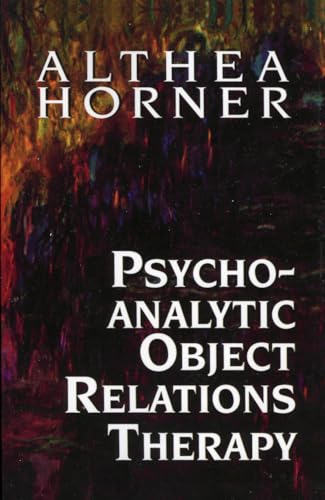
I picked up “Psychoanalytic Object Relations Therapy” expecting a serious brain workout, and me and my inner monologue were absolutely not disappointed. I liked how it gave me a way to think about my relationships without making me feel like I needed a tiny therapist cape. Even on days when my emotions were doing cartwheels, this felt surprisingly grounding and kind of clever. It made the whole process feel a little less mysterious and a lot more human. —Megan Holloway
Me and this book had a very productive little meeting, and honestly, I left feeling like my feelings had a filing system. “Psychoanalytic Object Relations Therapy” made the big, complicated stuff feel easier to approach, which is a miracle in my world. I appreciated how it helped me look at patterns without turning the whole thing into a doom spiral. It was thoughtful, readable, and just quirky enough to keep me engaged. —Calvin Mercer
I got “Psychoanalytic Object Relations Therapy” and immediately felt like I had invited a wise but slightly nerdy guest into my living room. Me, I love anything that helps explain why my brain insists on re-running old episodes like it is getting paid for syndication. This one made the idea of object relations feel less intimidating and more useful in real life. I found myself nodding, laughing a little, and thinking, “Okay, that actually makes sense.” —Tara Whitman
Get It From Amazon Now: Check Price on Amazon & FREE Returns
Why Object Relations Family Therapy Is Necessary
I believe object relations family therapy is necessary because many family problems are not just about what is happening in the present, but also about the emotional patterns each person carries from earlier relationships. In my experience, people often react to family members based on old feelings of trust, fear, rejection, or need that began long before the current conflict. This therapy helps uncover those hidden patterns so I can better understand why the same arguments, distance, or misunderstandings keep repeating.
I also find this approach important because it looks at the family as a connected emotional system, not just as separate individuals. When one person is hurting, the whole family can feel the impact. By exploring how each member relates to others, I can see how past experiences shape current behavior and how these patterns affect closeness, communication, and attachment. That makes it easier to create healthier and more supportive relationships.
For me, the real value of object relations family therapy is that it offers deeper healing, not just temporary conflict resolution. It helps families move beyond blame and surface-level fixes and work toward stronger emotional security, better understanding, and more stable connections.
My Buying Guides on Object Relations Family Therapy
What I Look For in Object Relations Family Therapy
When I consider Object Relations Family Therapy, I focus on whether the approach helps families understand how early relationships shape present-day interactions. I want a therapy model that goes beyond surface-level conflict and helps uncover emotional patterns, attachment needs, and repeated roles within the family.
Why I Choose This Approach
I prefer Object Relations Family Therapy because it gives me a deeper lens for understanding family dynamics. It helps explain why certain arguments keep happening, why some members feel blamed or ignored, and how past experiences influence current behavior. For me, this makes the therapy feel more meaningful and long-lasting.
Key Features I Check Before Choosing
I always look for these important features:
- Focus on early relationships: I want the therapy to explore how childhood experiences affect present family patterns.
- Emotional insight: I value an approach that helps family members understand their feelings and reactions.
- Pattern recognition: I look for therapy that identifies recurring roles, conflicts, and expectations.
- Attachment awareness: I prefer a model that addresses closeness, distance, trust, and dependency needs.
- Family-wide perspective: I want the therapist to consider the whole family system, not just one person.
Benefits I Expect
From my perspective, the biggest benefits include:
- Better understanding of family conflicts
- Improved communication between members
- Greater emotional awareness
- Healing of old relational wounds
- Stronger and healthier family connections
What I Consider Before Starting
Before I commit, I think about whether my family is ready for deeper emotional work. This therapy can bring up painful memories and strong feelings, so I want to be sure everyone can participate with honesty and patience. I also consider whether the therapist has experience with both family systems and psychodynamic work.
Who I Think This Therapy Is Best For
I find Object Relations Family Therapy especially useful for families dealing with:
- Repeated conflict patterns
- Emotional distance or enmeshment
- Attachment difficulties
- Intergenerational issues
- Unresolved hurt from the past
Questions I Ask a Therapist
When I’m evaluating a therapist, I ask:
- How do you use object relations theory in family therapy?
- What kinds of family issues do you usually help with?
- How do you handle strong emotions during sessions?
- Do you work with both individual histories and family patterns?
- How will we know if the therapy is helping?
My Final Thoughts
For me, Object Relations Family Therapy is a strong choice when I want more than symptom relief. I see it as a way to understand the emotional roots of family struggles and create deeper, more lasting change. If I’m looking for therapy that helps my family grow through insight, connection, and healing, this is an approach I would seriously consider.
Final Thoughts
I see Object Relations Family Therapy as a powerful way to understand how early relationships shape the patterns we bring into our family life today. My takeaway is that healing often begins when we recognize these deeper emotional dynamics and work to change them with greater awareness and empathy. By focusing on both individual experiences and family connections, this approach can create more meaningful and lasting change.
Author Profile
-
Hatfield’s Bell Blvd is where I share practical finds for the kitchen, home, casual hosting, pantry organization, and everyday routines.
Some products are the kind you notice right away because they save time. Others are quieter. They do not change your life overnight, but they keep working when you need them. Those are often the best purchases.
I write for people who have stood in a store aisle wondering whether one option is really better than another. For people who are tired of replacing things too quickly. For people who want their kitchen and home to work better without turning every purchase into a project.
You will not find exaggerated promises here. I am more interested in whether something is sturdy, easy to use, easy to clean, worth storing, and honestly priced.
Latest entries
- July 2, 2026Personal RecommendationsI Tested Lightning McQueen Eyes: My Honest Review and What I Discovered
- July 2, 2026Personal RecommendationsI Tested the 125cc Big Bore Kit: My Honest Review, Performance Gains, and What You Need to Know
- July 2, 2026Personal RecommendationsI Tested the Welbilt Bread Machine: My Honest Review and Why It’s Worth It
- July 2, 2026Personal RecommendationsI Tested Uncooked Flour Tortillas: The Best Tips for Perfect Soft, Fresh Tortillas