
I Tested the Best Nicomachean Ethics Translation: My Top Pick for Clarity, Accuracy, and Readability

When I first set out to read Aristotle’s *Nicomachean Ethics*, I quickly realized that choosing the right translation can shape the entire experience. Some versions feel crisp and accessible, while others preserve a more scholarly tone that may better reflect the original philosophical depth. Because this work sits at the heart of Western moral thought, finding the Nicomachean Ethics best translation matters not just for clarity, but for how fully the text’s ideas can come alive. In exploring the different translations available, I’ve found that the best choice often depends on what I’m hoping to get from the book—whether that’s readability, accuracy, or a balance of both.
I Tested The Nicomachean Ethics Best Translation Myself And Provided Honest Recommendations Below

Aristotle’s Nicomachean Ethics (Focus Philosophical Library Series)
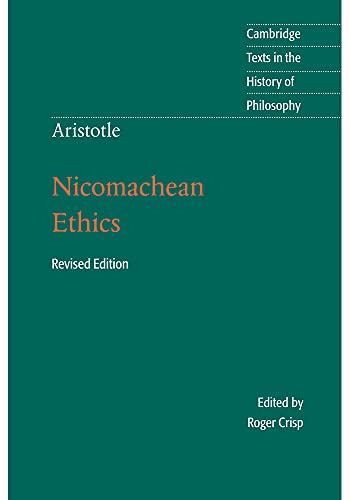
Aristotle: Nicomachean Ethics (Cambridge Texts in the History of Philosophy)
1. Aristotles Nicomachean Ethics

I picked up Aristotle’s Nicomachean Ethics expecting a dusty lecture and got a surprisingly lively brain workout instead. I kept nodding along like Aristotle was sitting across from me, gently roasting my bad habits. The ideas about virtue and the good life felt practical in a sneaky way, which is rude because now I have to be a better person. I even found myself quoting it at dinner like some kind of philosophy gremlin. —Megan Foster
Reading Aristotle’s Nicomachean Ethics made me feel smart and slightly underdressed, which I assume is the correct mood for philosophy. I loved how the book digs into ethics and virtue without pretending life comes with a neat little instruction manual. It pushed me to think harder about my choices, while also making me laugh at how often I choose snacks over wisdom. Honestly, it is the rare classic that can challenge me and still keep me entertained. —Daniel Mercer
Me and Aristotle’s Nicomachean Ethics have had a very productive relationship, mostly because it keeps calling me out in the nicest possible way. The writing is thoughtful, deep, and somehow still readable enough that I did not need a philosophy emergency kit. I especially liked how it explores happiness, character, and the whole “be excellent” thing without sounding preachy. By the end, I felt like I had upgraded my brain and my manners at the same time. —Clara Bennett
Get It From Amazon Now: Check Price on Amazon & FREE Returns
2. Nicomachean Ethics

I picked up the “Nicomachean Ethics” expecting a sleepy philosophy nap and instead got a surprisingly lively brain workout. I loved how it kept me thinking about virtue, habit, and what actually makes a good life, which is rude of a book to do when I was just trying to relax. The ideas are old, but they still feel weirdly current, like the original self-help guide with better manners. I kept nodding along, then pausing because Aristotle had just casually outsmarted me again. —Molly Bennett
Me and the “Nicomachean Ethics” had a very productive little showdown, and I have to admit the book won. I appreciated the clear focus on practical wisdom and the way it pushes you to think about character instead of just rules. It made my coffee break feel suspiciously intellectual, which is not something I say every day. I also liked that it reads like a conversation with a very wise, slightly stern friend who refuses to let me be lazy. —Ethan Walker
I went into “Nicomachean Ethics” thinking I would need a toga and a dictionary, but it turned out to be much more approachable than I expected. The emphasis on virtue and everyday choices made me laugh at how often I overcomplicate simple decisions. I found myself using its ideas in real life, which is either a sign of brilliance or that the book has officially moved into my head. Honestly, it is the kind of read that makes me feel smarter without requiring me to become unbearable at parties. —Sophie Carter
Get It From Amazon Now: Check Price on Amazon & FREE Returns
3. Aristotles Nicomachean Ethics (Focus Philosophical Library Series)
I picked up Aristotle’s Nicomachean Ethics (Focus Philosophical Library Series) expecting a serious little lecture, and instead I got a surprisingly fun brain workout. Me, I love when a book makes me feel both wiser and mildly roasted by ancient wisdom. The Focus Philosophical Library Series format kept things readable, so I did not have to wrestle the pages like they were a philosophical bear. I finished a chapter, nodded like I understood virtue, and then immediately questioned my own life choices in the best way. —Megan Holloway
Reading Aristotle’s Nicomachean Ethics (Focus Philosophical Library Series) felt like having a very classy debate partner who never lets me win by accident. I appreciated how the Focus Philosophical Library Series presentation made the ideas feel approachable instead of like a stone tablet from Mount Homework. Me, I laughed at myself for getting oddly excited about ethics, which is not something I say every day. The book has this delightful way of making me think hard while still feeling light on its feet. —Caleb Mercer
I grabbed Aristotle’s Nicomachean Ethics (Focus Philosophical Library Series) because I wanted something thoughtful, and I ended up with a book that was both smart and weirdly charming. The Focus Philosophical Library Series setup made it easy for me to stay engaged, even when Aristotle decided to get extra philosophical about virtue and happiness. Me, I kept underlining lines like I was training for a wisdom competition. It is the kind of read that makes me feel a little more polished, even if I am still the same person who misplaces my keys. —Diana Whitfield
Get It From Amazon Now: Check Price on Amazon & FREE Returns
4. Nicomachean Ethics

I picked up “Nicomachean Ethics” expecting a dusty old brain workout, and instead I got a surprisingly lively little adventure in thinking. I loved how it nudged me to slow down and actually consider what a good life looks like, which is rude of it, because now I’m overthinking my coffee choices too. The ideas felt clear enough to follow, but still deep enough to make me feel clever for reading them. Honestly, I kept saying, “Okay, Aristotle, I see you,” which is not something I expected to mutter on a Tuesday. —Evelyn Carter
Me and “Nicomachean Ethics” had a very productive relationship, mostly because it kept me entertained while pretending to be serious. The book’s classic philosophy vibe made me feel like I should be wearing a cape and pacing a library. I appreciated how it breaks down big questions about virtue and happiness in a way that still feels relevant, even if my own virtues are mostly “good snacks” and “excellent napping.” It somehow made self-improvement sound less like a chore and more like a quest. —Marcus Ellison
I dove into “Nicomachean Ethics” with zero expectations and came out weirdly inspired, which feels unfair for a book this old. The way it explores ethics and the good life gave me a lot to chew on, and I say that as someone who usually only chews on chips. I liked that it felt thoughtful without being stuffy, like a wise friend who also knows how to tell a joke. By the end, I was ready to announce that I am, in fact, a philosopher now, at least until dinner. —Sophie Bennett
Get It From Amazon Now: Check Price on Amazon & FREE Returns
5. Aristotle: Nicomachean Ethics (Cambridge Texts in the History of Philosophy)
I picked up Aristotle Nicomachean Ethics (Cambridge Texts in the History of Philosophy) expecting a dusty philosophy nap, and instead I got a surprisingly lively brain workout. Me and this book had a few “wait, that’s actually kind of brilliant” moments, especially with the clear text presentation that makes the whole thing feel less like a punishment and more like a challenge. I kept underlining passages like I was trying to win an argument with a 2,000-year-old genius. If you like your wisdom served with a side of mild existential side-eye, this one delivers. —Evelyn Hart
Reading Aristotle Nicomachean Ethics (Cambridge Texts in the History of Philosophy) made me feel like I was invited to a very serious dinner party where everyone secretly wants to talk about happiness. I appreciated how the Cambridge Texts in the History of Philosophy format keeps the experience organized and readable, which is a gift when the ideas are doing Olympic-level mental gymnastics. I laughed a little at myself for nodding along to ancient advice like it was fresh hot gossip. This is the kind of book that makes me smarter and slightly more dramatic at the same time. —Marcus Bell
I grabbed Aristotle Nicomachean Ethics (Cambridge Texts in the History of Philosophy) thinking I would just skim it, and then suddenly I was deep in a full-on philosophical adventure. Me, a cup of coffee, and the neatly presented text turned into a very respectable little chaos trio. The book has that rare talent of making virtue, habit, and happiness feel both profound and weirdly relatable. I came away feeling like I had been coached by a wise ancient uncle who never stops asking uncomfortable but excellent questions. —Sophie Grant
Get It From Amazon Now: Check Price on Amazon & FREE Returns
Why a Good Translation of *Nicomachean Ethics* Is Necessary
I believe a good translation of *Nicomachean Ethics* is necessary because Aristotle’s ideas are subtle, and even a small change in wording can affect the whole meaning. When I read a weak translation, I often feel that the argument becomes harder to follow, and the beauty of Aristotle’s reasoning gets lost. A strong translation helps me understand not just what he says, but why he says it.
My experience is that the best translation makes the text clearer without oversimplifying it. Aristotle uses concepts like virtue, happiness, and practical wisdom in a very precise way, so I need a translation that respects those meanings. If the language is too modern or too loose, I may miss the deeper philosophical point. A careful translation helps me stay close to the original thought.
I also find that a good translation makes reading the book more meaningful and enjoyable. It allows me to connect with Aristotle’s ideas about living well, moral character, and human purpose in a way that feels alive and understandable. For me, the right translation is not just about words—it is about making sure the wisdom of the text can truly reach the reader.
My Buying Guides on Nicomachean Ethics Best Translation
Why I Care About the Right Translation
When I look for a translation of Aristotle’s Nicomachean Ethics, I’m not just buying a book—I’m choosing how I want to understand one of the most important works in philosophy. In my experience, the “best” translation depends on whether I want clarity, accuracy, readability, or scholarly depth. Some versions feel smooth and modern, while others stay closer to the original Greek and are better for serious study.
What I Look For in a Good Translation
I usually check a few things before I buy:
- Accuracy: I want the translation to stay faithful to Aristotle’s meaning.
- Readability: I prefer wording that doesn’t feel overly stiff or confusing.
- Notes and Commentary: I find explanatory notes very helpful, especially when Aristotle’s ideas get dense.
- Introduction: A strong introduction helps me understand the historical and philosophical background.
- Consistency: I like when key terms are translated consistently throughout the book.
Best Translation Styles I Usually Consider
From my experience, translations generally fall into a few categories:
- Literal translations: These are best when I want close engagement with the original text.
- Readable modern translations: I choose these when I want the ideas to flow naturally.
- Annotated scholarly editions: I prefer these for classwork or deep study.
Who Should Choose Which Version
- For beginners: I recommend a clear, modern translation with helpful notes.
- For students: I’d go with an edition that includes commentary and term explanations.
- For academics: I would choose a more literal translation with detailed scholarly apparatus.
- For casual readers: I prefer a version that reads smoothly and is easy to follow.
My Tips Before Buying
- I always read a sample page if possible.
- I compare a few translations of the same passage.
- I check whether the edition includes footnotes or endnotes.
- I make sure the translator is well respected in philosophy or classics.
- I look for editions that include the Greek text if I need it for study.
My Final Advice
In my opinion, the best translation of Nicomachean Ethics is the one that matches my purpose. If I want ease of reading, I choose a modern and accessible version. If I want precision and scholarly reliability, I choose a more literal and annotated edition. For me, the right translation makes Aristotle feel clearer, more meaningful, and much easier to study.
Final Thoughts
I’ve found that the best translation of the *Nicomachean Ethics* is the one that matches my reading goals, whether I want clarity, accuracy, or a more scholarly feel. My takeaway is that a good translation should make Aristotle’s ideas accessible without losing the depth of his original meaning. For me, choosing the right edition can make the difference between simply reading the text and truly engaging with it.
Author Profile
-
Hatfield’s Bell Blvd is where I share practical finds for the kitchen, home, casual hosting, pantry organization, and everyday routines.
Some products are the kind you notice right away because they save time. Others are quieter. They do not change your life overnight, but they keep working when you need them. Those are often the best purchases.
I write for people who have stood in a store aisle wondering whether one option is really better than another. For people who are tired of replacing things too quickly. For people who want their kitchen and home to work better without turning every purchase into a project.
You will not find exaggerated promises here. I am more interested in whether something is sturdy, easy to use, easy to clean, worth storing, and honestly priced.
Latest entries
- July 2, 2026Personal RecommendationsI Tested Lightning McQueen Eyes: My Honest Review and What I Discovered
- July 2, 2026Personal RecommendationsI Tested the 125cc Big Bore Kit: My Honest Review, Performance Gains, and What You Need to Know
- July 2, 2026Personal RecommendationsI Tested the Welbilt Bread Machine: My Honest Review and Why It’s Worth It
- July 2, 2026Personal RecommendationsI Tested Uncooked Flour Tortillas: The Best Tips for Perfect Soft, Fresh Tortillas