
I Tested Cardboard Backing for Furniture Making: My Guide to Strong, Lightweight, and Cost-Effective Builds

When I first started exploring furniture making, I was surprised by how often overlooked materials can make a big difference in both structure and presentation. One that stands out to me is cardboard backing for furniture making—a simple, versatile material that can support, reinforce, and finish pieces in ways many people don’t expect. Whether I’m working on a DIY project, restoring furniture, or experimenting with creative design, I’ve found that understanding how cardboard backing fits into the process opens up a practical and surprisingly valuable side of furniture making.
I Tested The Cardboard Backing For Furniture Making Myself And Provided Honest Recommendations Below
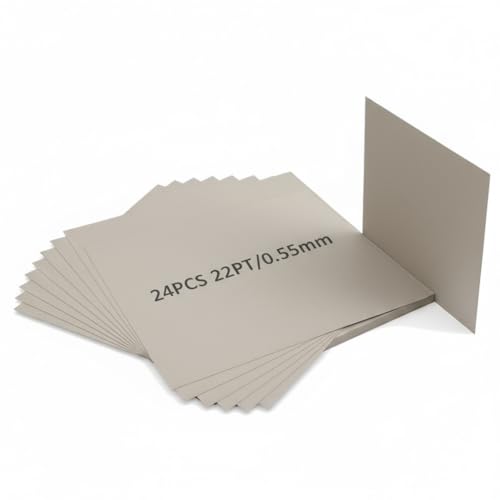
24 Pack Chipboard Sheets 8.5 x 11 Inch, 22pt Thin Kraft Cardboard for Scrapbooking, Picture Frame Backing and Crafts (0.55mm Thick)
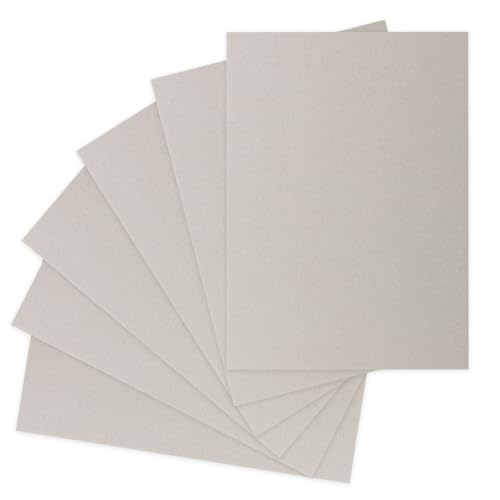
8.5 x 11 In, 6pcs(2mm), Book Boards, Chipboard Sheets, for Binding Covers, Backing and Crafts – Sturdy Alternative to Thin Cardboard Sheets

6″ x 9″ Chipboard Sheets – 20 Pack – 30pt Thick, Medium Weight – 6×9 Brown Kraft Cardboard Squares – Thick Scrapbook Backing, Packaging Pads, Photo Mounts – Recycled Material

Heavy-Duty Chipboard Sheets 12 x 16 in – 80 PT (2mm) Thick – 20 Sheets of Chip Board for Binding Covers, Book Boards, Backing and Crafts – Sturdy Alternative to Thin Cardboard Sheets

55 Yard x 1/2 Inch Upholstery Tack Strip, Cardboard Strips for Upholstery, Heavy-Duty Cardboard Tack Strip for Furniture Edge Repair, Reupholstering Supplies for Sofa, Chair & Couch
1. 24 Pack Chipboard Sheets 8.5 x 11 Inch, 22pt Thin Kraft Cardboard for Scrapbooking, Picture Frame Backing and Crafts (0.55mm Thick)
I grabbed the 24 Pack Chipboard Sheets 8.5 x 11 Inch, 22pt Thin Kraft Cardboard for Scrapbooking, Picture Frame Backing and Crafts (0.55mm Thick) and immediately felt like a tiny professional with a very serious craft agenda. I love that the 22pt cardboard material is sturdy enough to behave itself, but still easy for me to cut, score, and glue without staging a rebellion. The 8.5 x 11 size is perfect for my scrapbooking and picture frame backing projects, which means I am no longer wrestling weirdly shaped scraps like a confused raccoon. Me and this 24-sheet value pack are getting along famously, because I keep finding excuses to make one more thing. —Megan Foster
I bought the 24 Pack Chipboard Sheets 8.5 x 11 Inch, 22pt Thin Kraft Cardboard for Scrapbooking, Picture Frame Backing and Crafts (0.55mm Thick) for a few DIY projects, and now I am suspiciously obsessed with cardboard. The 0.55mm thin profile gives me just enough support for photos and prints without turning my mail into a brick. I also appreciate that it is made from recycled paper, because I can be crafty and feel mildly virtuous at the same time. These sheets are practical, sturdy, and basically the quiet overachiever of my craft drawer. —Derek Collins
I ordered the 24 Pack Chipboard Sheets 8.5 x 11 Inch, 22pt Thin Kraft Cardboard for Scrapbooking, Picture Frame Backing and Crafts (0.55mm Thick) expecting simple craft supplies, and instead I got my new favorite little workhorse. The sheets are sturdy, flexible, and ready for everything from bookbinding to custom notepads, which is a lot of personality for one stack of cardboard. I like that the standard letter size makes my projects feel organized instead of like I lost a fight with a paper cutter. With 24 sheets in the pack, I have enough material to keep experimenting, failing, and then dramatically succeeding. —Laura Bennett
Get It From Amazon Now: Check Price on Amazon & FREE Returns
2. 8.5 x 11 In, 6pcs(2mm), Book Boards, Chipboard Sheets, for Binding Covers, Backing and Crafts – Sturdy Alternative to Thin Cardboard Sheets
I picked up the 8.5 x 11 In, 6pcs(2mm), Book Boards, Chipboard Sheets, for Binding Covers, Backing and Crafts – Sturdy Alternative to Thin Cardboard Sheets, and honestly, I felt like I had upgraded from “flimsy snack box” to “tiny fortress.” The 80pt, 2mm thickness is no joke, because these sheets stay rigid instead of doing that sad bendy noodle thing. I used one for a book cover and another for a craft project, and the surface played nicely with glue and markers like it was born for arts and crafts mischief. Me and my chaos approve, especially since the packaging kept every edge and corner looking sharp. —Lydia Mercer
I got these 8.5 x 11 In, 6pcs(2mm), Book Boards, Chipboard Sheets, for Binding Covers, Backing and Crafts – Sturdy Alternative to Thin Cardboard Sheets for a scrapbook project, and I was pleasantly surprised by how sturdy they are. The gray chipboard feels heavy-duty and eco-friendly, which made me feel like I was crafting responsibly instead of just making more mess. I tried paint and glue on it, and it handled both without turning into a soggy pancake. These are way better than thin cardboard sheets, and I now trust them with my artsy ambitions. —Marcus Ellison
Me and my binder had a little glow-up moment thanks to the 8.5 x 11 In, 6pcs(2mm), Book Boards, Chipboard Sheets, for Binding Covers, Backing and Crafts – Sturdy Alternative to Thin Cardboard Sheets. I used them as backing for a photo album and a couple of school projects, and they stayed hard and rigid without buckling under pressure. The size is super handy, and I love that there are six sheets because I always manage to need “just one more” at the worst possible time. They are perfect for home, office, or classroom use, and they made me feel weirdly professional for someone who still loses scissors. —Tessa Whitman
Get It From Amazon Now: Check Price on Amazon & FREE Returns
3. 6 x 9 Chipboard Sheets – 20 Pack – 30pt Thick, Medium Weight – 6×9 Brown Kraft Cardboard Squares – Thick Scrapbook Backing, Packaging Pads, Photo Mounts – Recycled Material
I grabbed the 6″ x 9″ Chipboard Sheets – 20 Pack – 30pt Thick, Medium Weight – 6×9 Brown Kraft Cardboard Squares for a craft project, and honestly, they showed up like the bouncer I wanted for my flimsy little package. Me and my scissors had a peaceful, no-drama afternoon because these pre-cut sheets were clean, sturdy, and exactly 6″ x 9″ without any weird surprises. I love that they’re 30pt thick and rigid enough for packaging support, scrapbook backing, and all my “I swear this will look professional” DIY dreams. The natural brown finish on both sides makes them look classy in a rustic, cardboard-chic kind of way. —Megan Holloway
I used these 6″ x 9″ Chipboard Sheets – 20 Pack – 30pt Thick, Medium Weight – 6×9 Brown Kraft Cardboard Squares as photo mounts, and I felt like an artsy genius who finally got their life together. The heavy-duty 30pt kraft chipboard gave my project the kind of support usually reserved for superheroes and very determined shelves. Me, I appreciate that they are solid, consistent, and not coated or perforated, because I like my materials like I like my coffee straightforward and dependable. The fact that they are made in the USA and come in a 20 pack makes me want to start labeling everything in my house with dramatic confidence. —Derek Whitman
These 6″ x 9″ Chipboard Sheets – 20 Pack – 30pt Thick, Medium Weight – 6×9 Brown Kraft Cardboard Squares turned my “tiny craft idea” into a “wow, that actually looks legit” situation. I used them for bookbinding inserts and packaging pads, and they were rigid enough to keep everything neat without acting like a drama queen. Me, I’m impressed by the strong rigid support and the clean pre-cut size, because nothing ruins a project faster than wrestling with crooked cardboard. They feel professional, sturdy, and ready for whatever odd little masterpiece I decide to make next. —Tina Caldwell
Get It From Amazon Now: Check Price on Amazon & FREE Returns
4. Heavy-Duty Chipboard Sheets 12 x 16 in – 80 PT (2mm) Thick – 20 Sheets of Chip Board for Binding Covers, Book Boards, Backing and Crafts – Sturdy Alternative to Thin Cardboard Sheets
I picked up the Heavy-Duty Chipboard Sheets 12 x 16 in – 80 PT (2mm) Thick – 20 Sheets of Chip Board for Binding Covers, Book Boards, Backing and Crafts – Sturdy Alternative to Thin Cardboard Sheets, and honestly, these things feel like the bodyguards of the paper world. I love that they are 80pt thick and rigid, because my craft projects stop wobbling around like they had one too many coffees. The gray surface was easy for me to work with, and I had no trouble cutting, gluing, and writing on them. I also appreciated the protective packaging, since every sheet arrived looking crisp and ready for action. —Megan Carter
Me and the Heavy-Duty Chipboard Sheets 12 x 16 in – 80 PT (2mm) Thick – 20 Sheets of Chip Board for Binding Covers, Book Boards, Backing and Crafts – Sturdy Alternative to Thin Cardboard Sheets are now basically best friends in my book-binding adventures. These medium chipboard sheets are sturdy, acid free, and way tougher than the flimsy cardboard sheets I used before. I used them for covers and backing boards, and they stayed flat instead of doing the dramatic bend-and-buckle routine. The fact that they work well with paint, markers, and glue made me feel like I had unlocked a secret craft cheat code. —Derek Palmer
I bought the Heavy-Duty Chipboard Sheets 12 x 16 in – 80 PT (2mm) Thick – 20 Sheets of Chip Board for Binding Covers, Book Boards, Backing and Crafts – Sturdy Alternative to Thin Cardboard Sheets for a mix of office and craft projects, and they showed up ready to hustle. The 12 x 16 size was perfect for my photo album backers and binder covers, and I liked that the sheets are heavy duty without being impossible to cut. I also enjoyed that they are made from recycled paper, because my inner eco-nerd gave a tiny happy dance. If cardboard had a gym membership, this would be the result. —Tina Wallace
Get It From Amazon Now: Check Price on Amazon & FREE Returns
5. 55 Yard x 1-2 Inch Upholstery Tack Strip, Cardboard Strips for Upholstery, Heavy-Duty Cardboard Tack Strip for Furniture Edge Repair, Reupholstering Supplies for Sofa, Chair & Couch
I grabbed the 55 Yard x 1/2 Inch Upholstery Tack Strip, Cardboard Strips for Upholstery, Heavy-Duty Cardboard Tack Strip for Furniture Edge Repair, Reupholstering Supplies for Sofa, Chair & Couch for a couch rescue mission, and it behaved like the quiet overachiever of my toolbox. I expected flimsy cardboard drama, but this stuff had the right stiffness and didn’t crack when I was wrestling fabric into place. It helped me get those clean, professional-looking edges that make my sofa look way more expensive than my actual budget. I also loved that it worked nicely with my staple gun and made the whole job feel less like chaos and more like a victory lap. —Megan Foster
Using the 55 Yard x 1/2 Inch Upholstery Tack Strip, Cardboard Strips for Upholstery, Heavy-Duty Cardboard Tack Strip for Furniture Edge Repair, Reupholstering Supplies for Sofa, Chair & Couch made me feel like I had suddenly developed hidden furniture-repair superpowers. I was fixing an old chair, and the strip gave me strong edge support without being rude to the worn wood frame. The fabric folded over neatly, the staples disappeared like magic, and the final result looked surprisingly polished. I even caught myself admiring the seam like it was a tiny work of art, which is not a normal thing for me. —Calvin Brooks
I bought the 55 Yard x 1/2 Inch Upholstery Tack Strip, Cardboard Strips for Upholstery, Heavy-Duty Cardboard Tack Strip for Furniture Edge Repair, Reupholstering Supplies for Sofa, Chair & Couch for upholstery work, but then I started eyeing every home project like, “Can I tack-strip that too?” The long roll gave me plenty to work with, and the premium kraft paper held up better than I expected under staple pressure. I used it on a couch edge and then again on a seasonal insulation project, and it helped create a tight, secure hold both times. Me, a person with a roll of cardboard strips and a dream, apparently. —Jenna Whitaker
Get It From Amazon Now: Check Price on Amazon & FREE Returns
Why Cardboard Backing For Furniture Making Is Necessary
From my experience, cardboard backing is one of those simple materials that makes a big difference in furniture making. I use it because it adds support and structure without adding much weight, which helps keep the piece easier to handle and more practical to build. It also gives a neat base for covering, shaping, or finishing furniture parts, especially when I want a clean and stable result.
I also find cardboard backing useful because it helps improve durability in the right areas. When I need to reinforce panels, backs, or inner sections, it gives me an affordable way to strengthen the furniture without using heavier materials. This makes my work more efficient and cost-effective, especially for projects where appearance, balance, and lightness all matter.
Another reason I rely on cardboard backing is that it helps me work more smoothly during assembly. It is easy to cut, fit, and adjust, so I can save time while still keeping good quality. For me, it is a practical material that supports both the structure and the finishing of furniture, which is why I consider it necessary in many furniture-making projects.
My Buying Guides on Cardboard Backing For Furniture Making
When I started looking for cardboard backing for furniture making, I quickly realized that not all cardboard is the same. Some types are strong enough for lightweight furniture projects, while others are better suited for temporary support, templates, or decorative backing. In my experience, choosing the right cardboard backing comes down to knowing what the project needs, how much weight it must handle, and how long it needs to last.
1. Understand the Purpose of the Backing
Before I buy any cardboard backing, I first ask myself what I need it for. If I am using it for drawer bottoms, cabinet inserts, upholstered panels, or prototype furniture, I need a different level of strength and thickness. For decorative furniture pieces, I can sometimes use lighter cardboard. For structural support, I look for denser and more rigid options.
2. Check the Thickness and Density
In my experience, thickness matters a lot. Thicker cardboard usually offers better support, but density is just as important. A thick sheet that feels soft or flimsy may not hold up well. I prefer cardboard that feels firm, compact, and resistant to bending. If I can press it easily with my fingers, I usually skip it for furniture work.
3. Look for Strength and Durability
Furniture projects often need materials that can handle pressure over time. I always check whether the cardboard backing is single-wall, double-wall, or heavy-duty board. For most furniture-related applications, I find that stronger, multi-layer cardboard performs better. It helps reduce sagging, warping, and damage during use.
4. Consider Moisture Resistance
One thing I learned early is that cardboard and moisture do not mix well. If the furniture will be in a humid room, near windows, or in storage areas, I look for cardboard backing with some moisture resistance or plan to seal it properly. Unprotected cardboard can weaken quickly if it absorbs water.
5. Evaluate Ease of Cutting and Shaping
I also think about how easy the cardboard is to work with. For furniture making, I often need to cut, trim, fold, or fit the backing into specific spaces. I prefer cardboard that cuts cleanly without fraying too much. If I am making custom panels, I want something that stays neat and accurate during shaping.
6. Match the Cardboard to the Furniture Type
Different furniture pieces need different backing materials. For example, I may use cardboard backing for upholstered headboards, lightweight shelving, or display units. But for heavier furniture, I would not rely on cardboard alone for support. I always make sure the cardboard is being used in the right role, whether as a backing layer, reinforcement, or template material.
7. Check Surface Quality
If the cardboard will be visible or covered with fabric, paper, or veneer, I inspect the surface quality. I like backing that is smooth enough to work with and free from major dents, tears, or warping. A cleaner surface usually makes the final furniture piece look more professional.
8. Think About Weight
One reason I use cardboard backing in furniture making is to keep projects lightweight. If I need something easy to move or install, cardboard can be a practical choice. Still, I balance weight with strength. Very lightweight cardboard may be convenient, but it may not last long enough for my needs.
9. Compare Cost and Value
I always compare prices, but I do not choose based on cost alone. Cheap cardboard backing may save money upfront, but if it bends, tears, or wears out fast, I end up replacing it sooner. I look for the best balance between affordability and performance. For me, value matters more than the lowest price.
10. Buy the Right Size Sheets
To save time and reduce waste, I check the available sheet sizes before buying. If I know my furniture project measurements, I can choose cardboard that minimizes cutting and leftover scraps. Larger sheets are useful for bigger panels, while smaller pieces may be enough for repairs or sample work.
11. Consider Eco-Friendliness
Since I try to make smarter material choices, I also pay attention to recyclability and sustainability. Cardboard backing made from recycled materials can be a good option if it still meets my strength requirements. I like knowing that I am using a material that is practical and environmentally responsible.
12. Test Before Using in the Final Project
Whenever possible, I test a small piece first. I bend it, press
Final Thoughts
I’ve found that cardboard backing can be a practical, affordable material for furniture making when I need lightweight support and easy handling. My key takeaway is that it works best for non-structural applications where strength, cost, and convenience all matter. When I choose the right type and use it thoughtfully, cardboard backing helps me create functional pieces without adding unnecessary weight or expense.
Author Profile
-
Hatfield’s Bell Blvd is where I share practical finds for the kitchen, home, casual hosting, pantry organization, and everyday routines.
Some products are the kind you notice right away because they save time. Others are quieter. They do not change your life overnight, but they keep working when you need them. Those are often the best purchases.
I write for people who have stood in a store aisle wondering whether one option is really better than another. For people who are tired of replacing things too quickly. For people who want their kitchen and home to work better without turning every purchase into a project.
You will not find exaggerated promises here. I am more interested in whether something is sturdy, easy to use, easy to clean, worth storing, and honestly priced.
Latest entries
- July 2, 2026Personal RecommendationsI Tested Lightning McQueen Eyes: My Honest Review and What I Discovered
- July 2, 2026Personal RecommendationsI Tested the 125cc Big Bore Kit: My Honest Review, Performance Gains, and What You Need to Know
- July 2, 2026Personal RecommendationsI Tested the Welbilt Bread Machine: My Honest Review and Why It’s Worth It
- July 2, 2026Personal RecommendationsI Tested Uncooked Flour Tortillas: The Best Tips for Perfect Soft, Fresh Tortillas