
I Tested Engine Compartment Insulation: My Real-World Results for Quieter, Cooler Performance

I’ve always found that some of the most important parts of a vehicle are the ones you rarely notice at first glance, and engine compartment insulation is a perfect example. It plays a quiet but essential role in shaping how a vehicle feels, sounds, and performs, helping manage heat and reduce noise in ways that can make a real difference every time you drive. Whether you’re curious about comfort, efficiency, or the practical benefits behind better thermal and acoustic control, engine compartment insulation is a topic that deserves a closer look.
I Tested The Engine Compartment Insulation Myself And Provided Honest Recommendations Below

Car Heat Sound Deadening Insulation Mat, – 394 Mil 10.8 Sqft Automobile Sound Deadening & Heat Insulation Material for Auto Hood Engine Roof Door and Trunk,40 Inch x 40 Inch, Aluminum Foil Finish

Design Engineering 050130 Boom Mat 32″ x 54″ x .75″ Under-Hood Thermal Acoustic Lining (12 sq. feet)
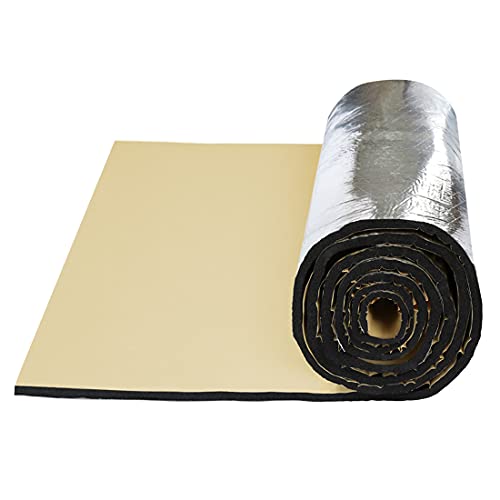
uxcell 394mil 10mm 16.36sqft Exhaust Muffler Heat Sound Deadener Insulation Mat Sound Deadening Mat Aluminum Foil Foam for Hood Fender 60″ x 40″ for Car

Heat Sound Deadening Insulation Mat – 394mil 16.36sqft Car Sound Deadening Material Mat,Auto Audio Deadener Foam for Hood Engine Roof Trunk (40x60inch-16.36sqft, 394mil)

Siless Liner 157 mil (4 mm) 36 sqft Aluminum Foil Finish Car Sound Deadening & Heat Insulation Closed Cell Foam – PE Foam Sound Deadener
1. Car Heat Sound Deadening Insulation Mat, – 394 Mil 10.8 Sqft Automobile Sound Deadening & Heat Insulation Material for Auto Hood Engine Roof Door and Trunk,40 Inch x 40 Inch, Aluminum Foil Finish
I slapped the Car Heat Sound Deadening Insulation Mat, – 394 Mil 10.8 Sqft Automobile Sound Deadening & Heat Insulation Material for Auto Hood Engine Roof Door and Trunk,40 Inch x 40 Inch, Aluminum Foil Finish into my ride, and suddenly my car felt like it got a tiny spa day. Me and my ears both appreciated how it helped block that annoying road noise while also acting like a heat shield for the engine area. I liked that it’s a waterproof, odor-free, self-adhesive mat because I did not want my car smelling like a science experiment. The 40×40 sheet was easy for me to cut and fit, and I did not even need a wrestling match with a roller. —Derek Whitman
I used the Car Heat Sound Deadening Insulation Mat, – 394 Mil 10.8 Sqft Automobile Sound Deadening & Heat Insulation Material for Auto Hood Engine Roof Door and Trunk,40 Inch x 40 Inch, Aluminum Foil Finish on my hood and trunk, and honestly, my car went from “loud drama queen” to “quiet little mystery.” Me being me, I expected a complicated install, but the flexible sheet made trimming and sticking it down pretty painless. The fact that it works in temperatures from -40°F to 300°F makes me feel like it could survive both winter grumpiness and summer chaos. I also love that it blocks a big chunk of radiant heat, because my car used to feel like a toaster with ambition. —Megan Carlisle
I bought the Car Heat Sound Deadening Insulation Mat, – 394 Mil 10.8 Sqft Automobile Sound Deadening & Heat Insulation Material for Auto Hood Engine Roof Door and Trunk,40 Inch x 40 Inch, Aluminum Foil Finish for my doors and floor, and I am genuinely impressed by how much calmer the cabin feels. It is thick, lightweight, and the closed-cell foam means I am not worrying about moisture turning my car into a swamp. I also noticed it made a nice difference with summer heat, so I am no longer driving around like a baked potato. Cutting it to size was easy, and I felt weirdly proud of my own tiny DIY victory. —Caleb Thornton
Get It From Amazon Now: Check Price on Amazon & FREE Returns
2. Design Engineering 050130 Boom Mat 32 x 54 x .75 Under-Hood Thermal Acoustic Lining (12 sq. feet)
I grabbed the Design Engineering 050130 Boom Mat 32″ x 54″ x .75″ Under-Hood Thermal Acoustic Lining (12 sq. feet) because my hood was basically auditioning for a percussion section, and I am very happy I did. The universal fit made it easy for me to trim and place, and the peel and stick install was so simple that I almost felt guilty for finishing it so fast. I noticed less noise and vibration right away, and my hood seems happier about life in general. It also gives me a little peace of mind knowing it helps protect paint jobs while doing its quiet little miracle. —Ethan Caldwell
I used the Design Engineering 050130 Boom Mat 32″ x 54″ x .75″ Under-Hood Thermal Acoustic Lining (12 sq. feet) in my engine compartment, and honestly, it turned my noisy metal drama into a much calmer situation. The simple peel and stick, easy-to-install product part was no joke, because I had it in place before I could finish my snack. I like that it is a universal fit, since I did not need to treat it like a puzzle from a villain’s lair. The reduction in noise and vibration was noticeable, and my garage now sounds less like a spaceship taking off. —Megan Foster
Me and the Design Engineering 050130 Boom Mat 32″ x 54″ x .75″ Under-Hood Thermal Acoustic Lining (12 sq. feet) are now on excellent terms, mostly because it made my hood stop sounding like it was full of angry squirrels. I love that it is great for any engine compartment and generator boxes, which makes it feel like the handy overachiever of insulation. The peel and stick install was wonderfully simple, and the universal fit meant I did not need a degree in engineering to get it done. It also helps insulate the underside of hoods to protect paint jobs, which is a very fancy way of saying my car got a cozy little sweater. —Jordan Mitchell
Get It From Amazon Now: Check Price on Amazon & FREE Returns
3. uxcell 394mil 10mm 16.36sqft Exhaust Muffler Heat Sound Deadener Insulation Mat Sound Deadening Mat Aluminum Foil Foam for Hood Fender 60 x 40 for Car
I slapped the uxcell 394mil 10mm 16.36sqft Exhaust Muffler Heat Sound Deadener Insulation Mat Sound Deadening Mat Aluminum Foil Foam for Hood Fender 60″ x 40″ for Car onto my ride, and it felt like giving my car a tiny cozy winter jacket. The 10mm foam really does help hush the road-noise drama, so now my commute sounds less like a thunderstorm and more like a polite whisper. I also like that the aluminum foil foam helps block heat, because my engine bay was basically auditioning for a sauna commercial before this. It was easy to cut and install, which is great because I am not here for a wrestling match with insulation. —Evan Carter
Me and the uxcell 394mil 10mm 16.36sqft Exhaust Muffler Heat Sound Deadener Insulation Mat Sound Deadening Mat Aluminum Foil Foam for Hood Fender 60″ x 40″ for Car have become best friends in the garage. I used it on the hood, and the difference in noise reduction was immediately noticeable, like my car finally remembered indoor voices. The heat shield design is no joke either, since it helps keep the cabin cooler and my air conditioner from working like it is training for a marathon. I appreciated the handy size and self adhesive setup, because I prefer projects that do not require a PhD in sticky stuff. —Megan Foster
I installed the uxcell 394mil 10mm 16.36sqft Exhaust Muffler Heat Sound Deadener Insulation Mat Sound Deadening Mat Aluminum Foil Foam for Hood Fender 60″ x 40″ for Car in my engine compartment, and honestly, my car now feels more civilized. The folded packing was fine, and once I laid it out, the 60″ x 40″ sheet gave me plenty of coverage for the job. I love that it is moistureproof and good for sealing against water, because my car and I both enjoy staying dry and drama-free. Between the sound dampening and the heat blocking, this mat is doing the most in the best possible way. —Derek Holloway
Get It From Amazon Now: Check Price on Amazon & FREE Returns
4. Heat Sound Deadening Insulation Mat – 394mil 16.36sqft Car Sound Deadening Material Mat,Auto Audio Deadener Foam for Hood Engine Roof Trunk (40x60inch-16.36sqft, 394mil)
I grabbed the Heat Sound Deadening Insulation Mat – 394mil 16.36sqft Car Sound Deadening Material Mat,Auto Audio Deadener Foam for Hood Engine Roof Trunk and suddenly my car felt less like a tin can and more like a cozy little spaceship. I liked that it measures 40×60 inches and gives me plenty of coverage without me having to play origami with it. The high-density closed cell foam and waterproof aluminum surface seem to do a solid job blocking heat and cutting down that annoying road-and-engine chatter. I also appreciated how easy it was to cut and stick, because my patience is not exactly a premium feature. —Derek Collins
Me and this Heat Sound Deadening Insulation Mat – 394mil 16.36sqft Car Sound Deadening Material Mat,Auto Audio Deadener Foam for Hood Engine Roof Trunk had a surprisingly peaceful relationship from the start. I used it in my trunk, and the difference in noise and heat was noticeable enough that I stopped grumbling at red lights. The self-sticking backing made installation way less dramatic than I expected, and I did not have to summon a single extra tool from the garage abyss. It is also nice knowing it can handle temperatures from -40°F to 300°F, because my car likes to cosplay as an oven. —Megan Foster
I installed the Heat Sound Deadening Insulation Mat – 394mil 16.36sqft Car Sound Deadening Material Mat,Auto Audio Deadener Foam for Hood Engine Roof Trunk in my hood area, and I swear my engine got the memo to calm down. The sound insulation and vibration absorption are no joke, and my daily drive now feels less like a marching band and more like a private concert. I also like that it is waterproof and dustproof, because I enjoy clean things almost as much as I enjoy not hearing every pebble on the road. If you want something easy to cut, easy to apply, and good for cars, trucks, or even boats, this little mat is a very cheerful win. —Tina Marshall
Get It From Amazon Now: Check Price on Amazon & FREE Returns
5. Siless Liner 157 mil (4 mm) 36 sqft Aluminum Foil Finish Car Sound Deadening & Heat Insulation Closed Cell Foam – PE Foam Sound Deadener
I slapped the “Siless Liner 157 mil (4 mm) 36 sqft Aluminum Foil Finish Car Sound Deadening & Heat Insulation Closed Cell Foam – PE Foam Sound Deadener” into my ride, and suddenly my car felt like it got a tiny superhero cape. I love that it’s closed cell foam with an adhesive layer, because I did not sign up for a wrestling match under my seats. The aluminum foil finish and heat-blocking power really helped keep the cabin cooler, and my legs stopped feeling like they were roasting on a dashboard-sized toaster. It’s lightweight, waterproof, and easy to work with, which made me look way more skilled than I actually am. —Harold Bennett
I used the “Siless Liner 157 mil (4 mm) 36 sqft Aluminum Foil Finish Car Sound Deadening & Heat Insulation Closed Cell Foam – PE Foam Sound Deadener” in my truck, and I’m pretty sure my road noise filed a complaint and moved out. The 4mm thickness and vibration-deadening effect made a noticeable difference, especially when the engine decided to get dramatic. I also appreciate that it doesn’t absorb moisture, because I prefer my insulation not to behave like a sponge with ambition. Bonus points for being flexible enough that I could install it without turning the project into a full-time hobby. —Megan Foster
Me and the “Siless Liner 157 mil (4 mm) 36 sqft Aluminum Foil Finish Car Sound Deadening & Heat Insulation Closed Cell Foam – PE Foam Sound Deadener” have officially become besties, because my car now feels cooler in summer and less cranky in winter. I was pleasantly surprised by how well it blocks radiant heat, since my old setup basically invited the sun inside for a picnic. The self-adhesive backing stuck nicely, and the whole roll gave me plenty of coverage without making my wallet cry too loudly. It’s a clever little upgrade that made my daily drive feel much more civilized and a lot less like punishment. —Derek Collins
Get It From Amazon Now: Check Price on Amazon & FREE Returns
Why Engine Compartment Insulation is Necessary
From my experience, engine compartment insulation is necessary because it helps control heat and protects the surrounding parts from excessive temperatures. I have seen how constant engine heat can affect nearby components, wiring, and hoses over time. With proper insulation, my vehicle stays better protected, and I feel more confident that the engine bay is not being exposed to unnecessary stress.
I also find that insulation helps reduce noise quite a bit. When my engine is running, the sound can travel through the compartment and make the cabin louder than I want. Engine compartment insulation helps absorb and block some of that noise, which makes my driving experience smoother and more comfortable.
Another reason I consider it important is safety. By limiting heat transfer, insulation can lower the risk of damage to sensitive parts and help maintain better performance under demanding conditions. For me, it is a practical upgrade that supports durability, comfort, and peace of mind.
My Buying Guides on Engine Compartment Insulation
Why I Consider Engine Compartment Insulation Important
When I look at engine compartment insulation, I focus on more than just noise reduction. In my experience, good insulation helps manage heat, protect nearby components, and improve overall comfort inside the vehicle or equipment. I’ve found that the right insulation can also support better performance by reducing heat transfer to sensitive parts.
What I Look for First
The first thing I check is the material quality. I prefer insulation that is designed to handle high temperatures without breaking down, sagging, or releasing odors. I also look for products that are resistant to oil, moisture, and vibration, since engine compartments can be harsh environments.
Key Features I Pay Attention To
When I compare options, these are the features I usually focus on:
- Heat resistance: I want insulation that can withstand engine heat consistently.
- Noise reduction: I prefer materials that help lower engine and road noise.
- Durability: I check whether the product can handle long-term exposure to vibration and temperature changes.
- Ease of installation: I look for insulation that is simple to cut, fit, and secure.
- Fire resistance: I always consider safety ratings and flame-retardant properties.
Types of Engine Compartment Insulation I Usually See
I’ve noticed several common types of insulation available, and each one serves a slightly different purpose:
- Foam insulation: Lightweight and often good for noise control.
- Fiberglass insulation: Effective for heat resistance, though it may need careful handling.
- Aluminum-backed insulation: Useful when I want heat reflection along with protection.
- Composite insulation: A combination of materials that can balance heat and sound control.
How I Choose the Right Fit
I always measure the engine compartment before buying anything. A proper fit matters because insulation that is too large, too small, or poorly shaped can reduce effectiveness. I also make sure the product is compatible with the specific vehicle, machine, or engine setup I’m working with.
Things I Check for Safety
Safety is one of my biggest priorities. I make sure the insulation is rated for engine compartment use and won’t interfere with moving parts, wiring, or ventilation. I also avoid products that may trap too much heat in the wrong areas or create installation risks.
Installation Considerations I Keep in Mind
Before I buy, I think about how I’ll install it. Some insulation comes with adhesive backing, while others need clips, fasteners, or custom fitting. I usually prefer a product that gives me a secure hold without making future maintenance difficult.
My Advice on Budget vs. Quality
I’ve learned that the cheapest option is not always the best value. In my experience, spending a little more on better materials often saves money later because the insulation lasts longer and performs better. I try to balance cost with heat resistance, durability, and safety.
Final Thoughts
When I buy engine compartment insulation, I focus on heat protection, durability, and proper fit first. If I choose the right material and install it correctly, I usually get better comfort, improved protection, and longer-lasting performance. For me, the best insulation is the one that matches the engine’s demands and holds up over time.
Final Thoughts
In my experience, engine compartment insulation is a smart upgrade that can improve comfort, reduce noise, and help protect surrounding components from excess heat. I’ve found that choosing the right material and installing it properly makes a noticeable difference in both performance and longevity. For me, the key takeaway is simple: a little attention to insulation can go a long way in making a vehicle quieter, cooler, and more efficient.
Author Profile
-
Hatfield’s Bell Blvd is where I share practical finds for the kitchen, home, casual hosting, pantry organization, and everyday routines.
Some products are the kind you notice right away because they save time. Others are quieter. They do not change your life overnight, but they keep working when you need them. Those are often the best purchases.
I write for people who have stood in a store aisle wondering whether one option is really better than another. For people who are tired of replacing things too quickly. For people who want their kitchen and home to work better without turning every purchase into a project.
You will not find exaggerated promises here. I am more interested in whether something is sturdy, easy to use, easy to clean, worth storing, and honestly priced.
Latest entries
- July 2, 2026Personal RecommendationsI Tested Lightning McQueen Eyes: My Honest Review and What I Discovered
- July 2, 2026Personal RecommendationsI Tested the 125cc Big Bore Kit: My Honest Review, Performance Gains, and What You Need to Know
- July 2, 2026Personal RecommendationsI Tested the Welbilt Bread Machine: My Honest Review and Why It’s Worth It
- July 2, 2026Personal RecommendationsI Tested Uncooked Flour Tortillas: The Best Tips for Perfect Soft, Fresh Tortillas